This page is designed to help you specify your project for printing.
1) The first decision is the size of your book. In Customer Service here at Gomer we express sizes in mm, with height first, so 297x210mm is A4 portrait. There is some advice here on cost effective book sizes, but as an example, costs will shoot up if you increase the size from 245x170mm to 255x180mm despite the small change. This is because at 245x170mm you can fit 32 pages on a single sheet of paper on press, but at 255x180mm you only get 16.
2) Then you will need to decide whether to print your text in colour (4/4 CYMK) or black and white (1/1 mono). These are the most common options though black plus pantone 2/2 or four colour plus pantone 5/5 are also possible.
3) Then you will need to work out how many pages you think your book will make up. Generally litho printing runs as 16pp or 32pp folded sections (though some trim page sizes run as 12s or 24s). Although we can bind any multiple of 4 (section work is folded) you get the best value if you stick to whole sections. So for example for an A4 book printing as 16s, 160pp is more cost effective than 164pp, and actually also cheaper than 156pp.
4) You will need to decide what paper you’d like to print on. There are lots of options and you can read a bit more about here and request a copy of our paper and printing guide.
5) You also need to decide on a print run or a range of print runs as we can quote on multiple quantities no problem at all. Unit costs improve the more copies your order, but this only makes sense if you can sell the books!
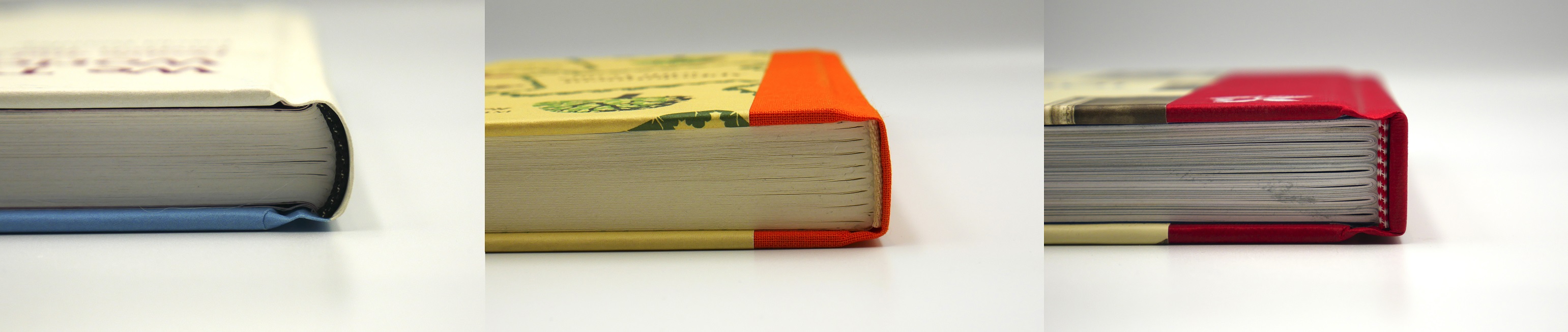
6) Now that you have the basics sorted out you can think about the more interesting details. Your first decision is whether to notch bind (cheaper) or whether to section sew (best quality bind). For heavier weight papers and prestige projects we always recommend section sewing. Notch binding is much like perfect binding, except we cut notches in the sections rather than mill off the spine, so your book is bound in sections rather than as singles leaves. In section sewn books the sections are sewn together with thread giving the strongest possible bind and best durability.
7) Now you are ready to decide about the binding. If you’d like a softback go to 8 or if hardback then jump to 9, though bear in mind that you can also request a “split edition” where we use the same bookblock for hardback and softback, but bind a certain number of copies one way, and a certain amount the other. This can be a good way to create a special edition with a higher retail price. Apart from hardback and softback you can also think about hardback and “deluxe” hardback to create two versions of your book using the same bookblock.
8) For softback binding you will generally have a simple 4pp cover or an 8pp cover (with flaps). 8pp covers are more expensive as they require a couple of extra processes apart from the extra cover board. Most of our covers are laminated for protection and to prevent chipping and the basic choices for lamination are; gloss, matt, anti-scuff matt and soft touch. If you have the budget you can also think about spot UV varnish, foiling or emboss/deboss for your covers. We’d recommend starting with a basic 4pp spec to see how it works within your budget, then we can look at extras if budget allows.
9) Hardback books present many more choices, but the most basic decision is whether you want a PPC (printed paper case) or a cloth bound book, with or without a dustjacket. Printed paper case books are cheaper because we just print and laminate a cover sheet and paste this onto the greyboard. There is no cloth to buy and no jackets to fit.
Like limp covers (see 8) PPCs tend to be laminated (gloss, matt, anti-scuff matt or soft touch) and can have special finishes applied if budget allows. An unlaminated Wibalin Natural/Buckram or Finelinen printed paper case can also be a really nice tactile effect if you are prepared to accept the compromise on durability.
If you choose a cloth bound book the options are almost unlimited if you have the budget. The most basic option is to bind the book in Wibalin Buckram (cloth effect paper) Wibalin Natural (smooth) or Wiblain Finelinen (canvas effect). Moving on from that you can look at any of the many cloth options from suppliers such as Winter and Co and others.
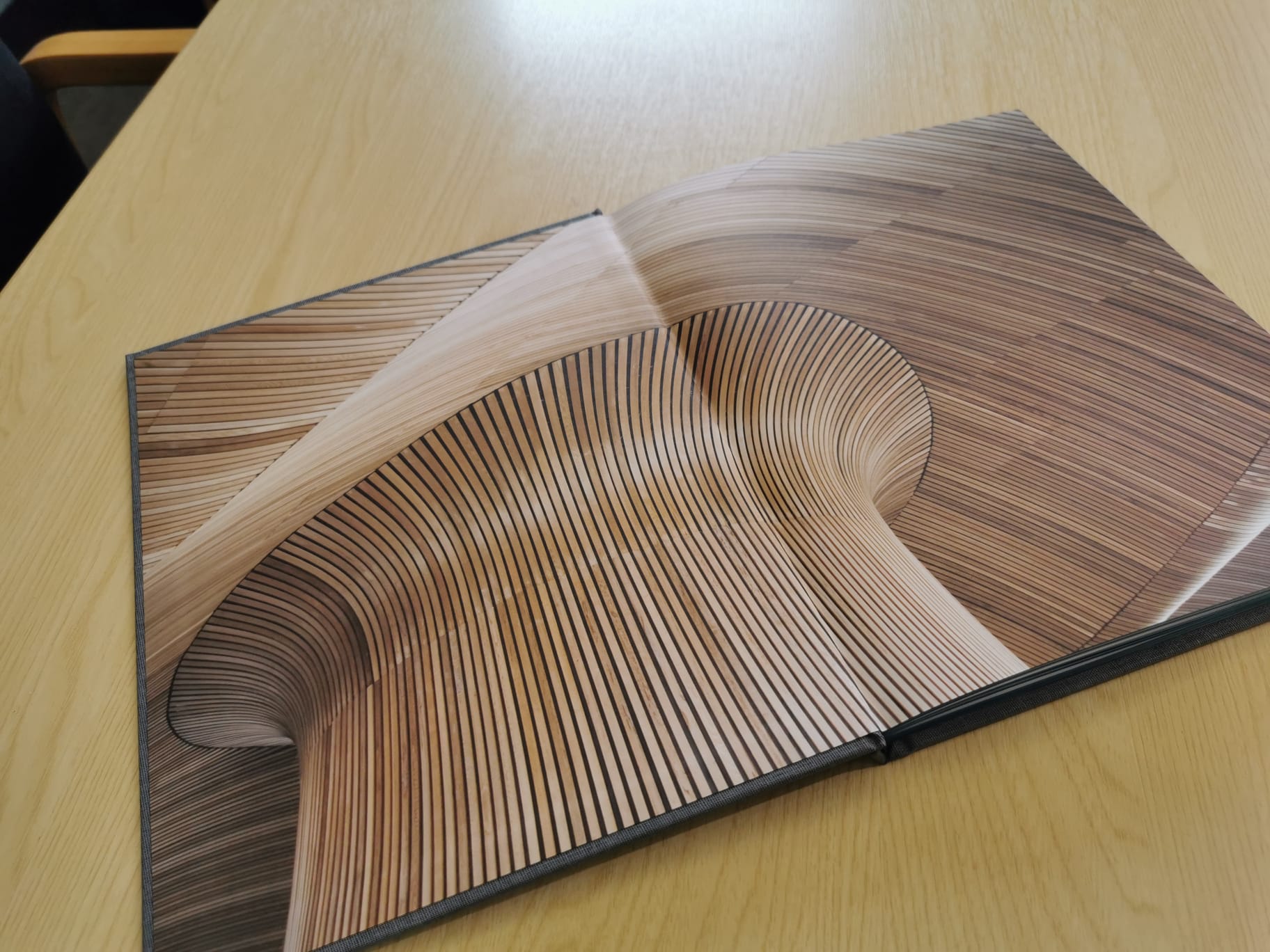
10) Hardback books require endpapers which hold the book in the case. The simplest option is plain white, but most beautiful books will use coloured endpapers or printed endpapers to enhance the design. Wibalin Natural is the most common choice for coloured endpapers, though there are plenty of other options if you have the budget. Printed endpapers can be very cost effective and visually striking. Opening your book for the first time should be an aesthetic experience!
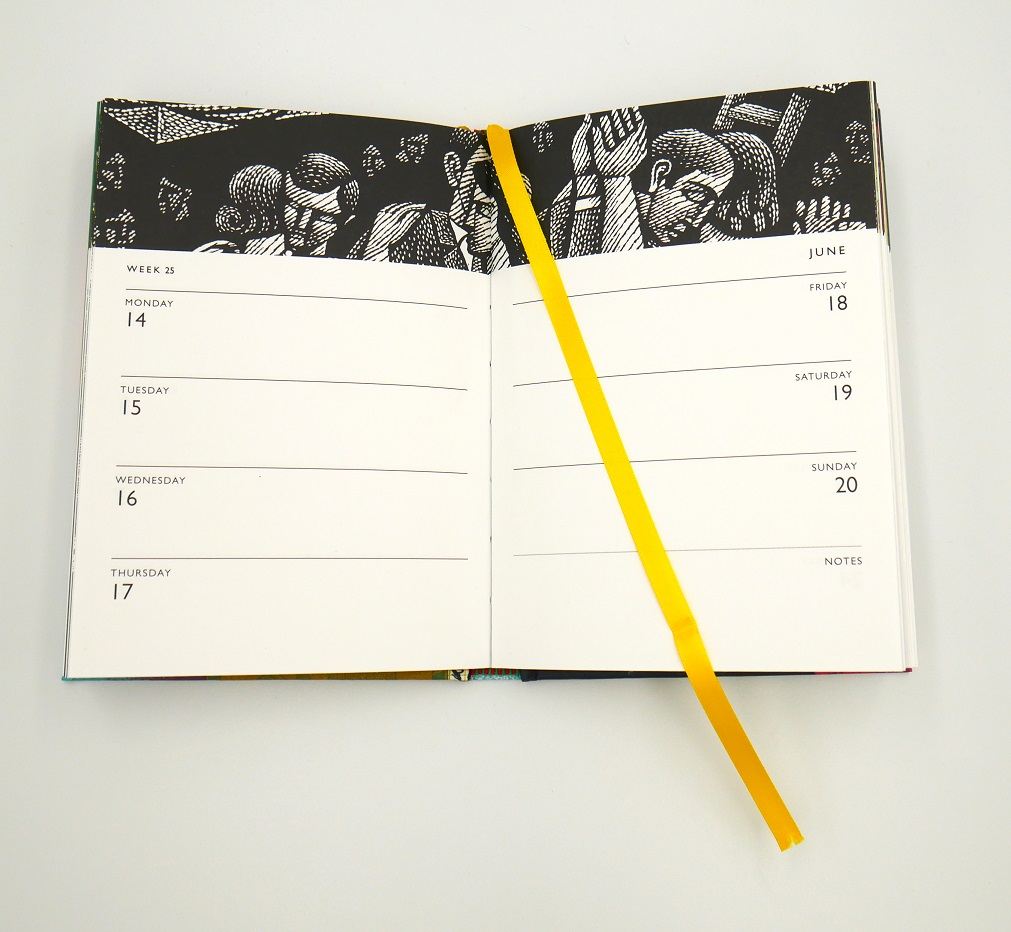
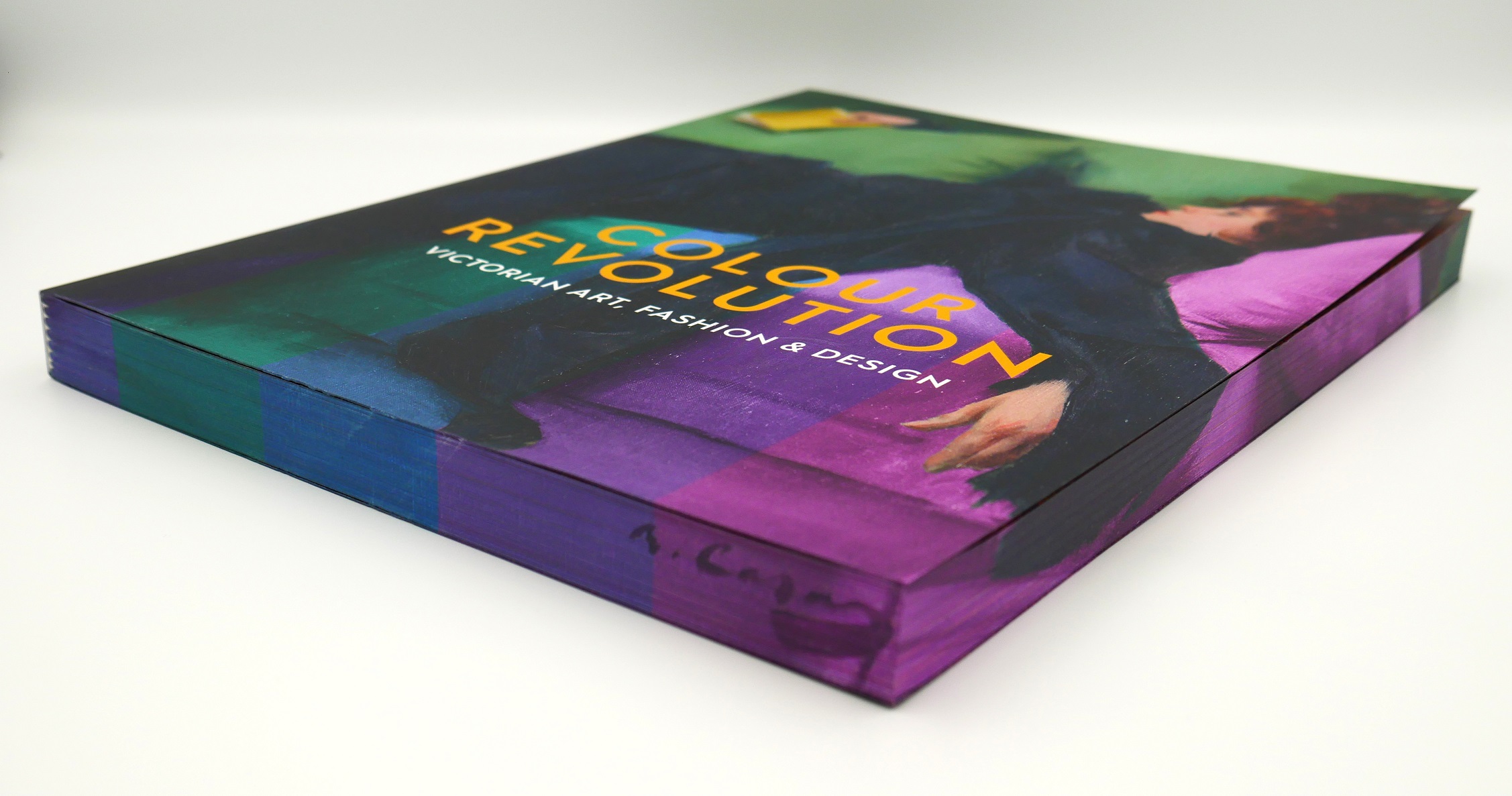
11) Finally have some fun with the details. What colour head and tail bands will you choose to finish the book off? How about coloured ribbon page markers? We can even print the book edges on our new 4 colour inkjet printer with a beautiful colour, image or pattern to really make the book special. If you are foil blocking the book then there is a wide choice of foil colours, not just silver and gold. Our passion at Gomer is to make books as objects to be admired as well as read and enjoyed. This is something that the internet will never be able to take away from us!